
Emergency Roof Tarpaulin: Irish Homeowner's Guide
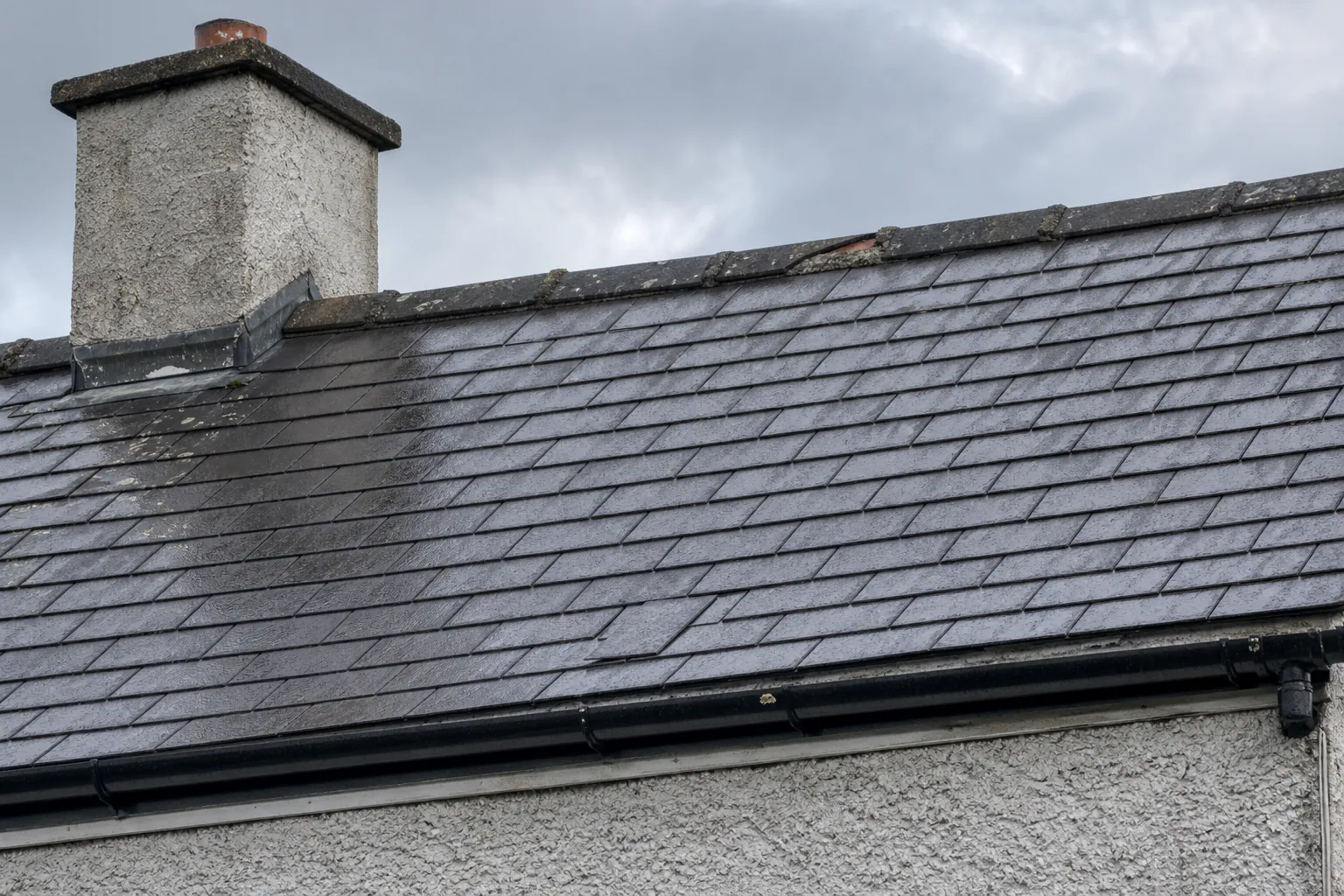
A tarpaulin is a bridge, not a repair. Professionally fitted, it keeps weather out for days to a few weeks while you arrange the real repair and the insurance claim. And the first thing to know is the part most pages skip: fitting one means working at height on a possibly damaged, possibly wet roof, so the safe version of this job belongs to a professional.
Before anything else: safety
- Do not go onto the roof, and do not lean a ladder against damaged guttering or roofing. A storm-damaged roof may not bear your weight even where it looks intact.
- Never attempt anything at height in wind or rain. More people are hurt retrieving and fitting tarps in bad conditions than by the original damage.
- Keep the household clear of the area below loose material, and treat a bulging, water-loaded ceiling as a collapse risk: keep out of the room and mention it when you call for help.
- If the damage looks structural (chimney down, tree impact, walls moved), leave the house and get advice from the fire service before re-entering.
What you can safely do tonight
All of it is inside or at ground level:
- Buckets and towels under active drips, emptied before they overflow
- Move furniture, electronics and valuables out of affected rooms
- Photograph everything, inside and out (from the ground), before anything is covered or moved; your insurer will want this
- Note the time and the storm details, and screenshot the Met Éireann warning for your county
The full evidence list is in our storm damage and insurance checklist.
Equipment to consider after the area is safe
Containers may help catch drips only where it is safe to enter. A dehumidifier may assist drying after the source of water entry has been dealt with, but does not repair the leak or establish that materials are dry. Moisture meters need correct use and interpretation.
Never use electrical equipment near active water entry or where wiring may be wet. Keep out of rooms with a bulging ceiling or other damage. Ask a competent professional to make the area safe before using a vacuum or dehumidifier, and follow the exact product instructions.
What professional emergency tarping involves
An emergency call-out crew will assess the damage from proper access equipment, fit a heavy-duty tarp or reinforced sheeting over the affected area, and secure it to sound structure so it survives further wind. Done properly it is weathertight and safe; done from a ladder in the dark it is neither. Indicative cost for an emergency tarping call-out in Ireland is €250 to €500, sometimes higher during severe-weather periods when crews are stretched. Most home policies treat reasonable emergency make-safe work as part of a storm claim, so keep the invoice. Our FAQ on insurance cover for roof repairs explains the general position.
How long does a tarp actually last?
- A professionally fitted tarp in settled weather: weeks, comfortably long enough to arrange quotes and permanent repair.
- Through repeated Atlantic weather systems: days to a couple of weeks. Wind works at the edges, and every flap loosens fixings.
- As a substitute for repair: it is not one. UV degrades the sheet, water finds gaps, and the timber underneath stays damp. Treat anything past a month as borrowed time.
If your tarp is approaching a few weeks old and permanent repair has not started, chase the contractor and tell your insurer; both need to know the property is still exposed.
The sequence that protects you
- Make the inside safe and limit water damage
- Photograph everything
- Ring your insurer's claims line (promptly; see the storm checklist for that first call)
- Book a professional emergency tarping if the roof is open to weather
- Gather itemised quotes for the permanent repair from checkable local contractors, using the verification steps in our roofer selection guide
Compare roofers: Find a roofer in your county. Directory inclusion is not a FixMyRoof endorsement.