Storm-Damaged Roof? Irish Insurance and Safety Checklist
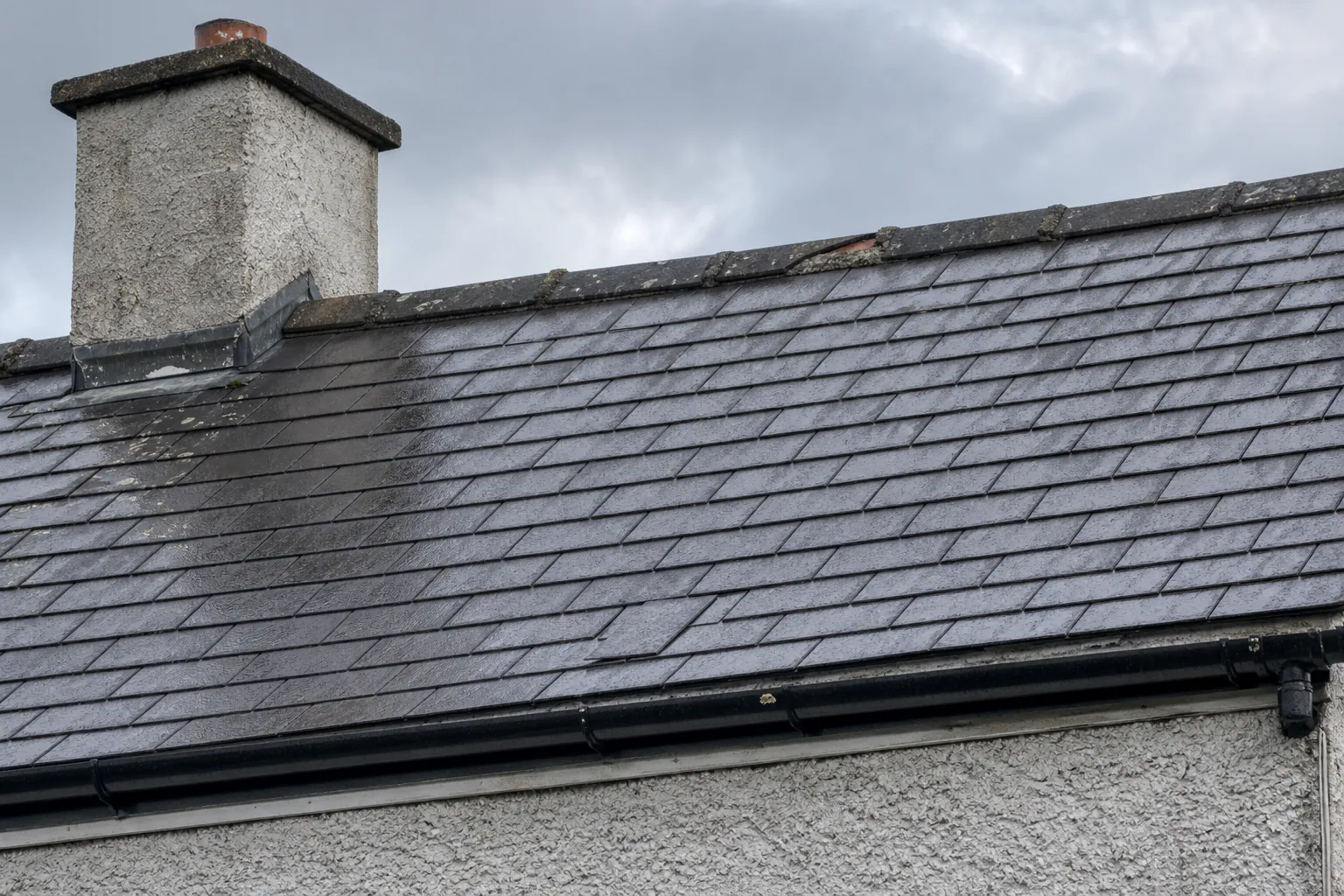
Storms cause more roof damage in Ireland than everything else combined. If you are reading this with water coming in or slates in the garden, take a breath: the order of operations matters more than speed. This checklist walks you through the first 48 hours, then the insurance claim, then the repair.
Step 1: Safety first
Before anything else:
- Keep everyone away from loose material. Slates, ridge tiles and gutter sections can come down well after the wind drops, especially in gusts.
- Never go onto a storm-damaged roof. Not in the rain, not the next morning, not "just to look". A damaged roof may not bear weight, and wet surfaces are lethal. This applies to ladders against damaged gutters as well.
- Treat any sagging ceiling indoors seriously. A ceiling bowing under trapped water can collapse. Move people out of the room below and pierce nothing until a professional has seen it.
- Watch for electrical risk. Water near light fittings or sockets means the circuit should be off at the consumer unit. If you are unsure, an electrician before a roofer.
- If the damage is structural (a chimney down, a tree through the roof, walls moved), leave the house and call the fire service for advice on safety before re-entering.
Step 2: Limit the damage inside
What a homeowner can safely do is indoors:
- Buckets and towels under active drips; empty them before they overflow.
- Move furniture, electronics and valuables out of affected rooms.
- Lift rugs and roll up carpets away from water paths.
- If a ceiling is bulging with trapped water, keep clear and tell your insurer; do not stand under it.
Temporary weather protection on the roof itself, including tarpaulins, is professional work at height. Emergency tarping call-outs typically run €250 to €500 and are often partly covered by insurance. Our emergency tarpaulin guide explains what that service involves and how long a tarp realistically lasts.
Equipment to consider after the area is safe
Containers may help catch drips only where it is safe to enter. A dehumidifier may assist drying after the source of water entry has been dealt with, but does not repair the leak or establish that materials are dry. Moisture meters need correct use and interpretation.
Never use electrical equipment near active water entry or where wiring may be wet. Keep out of rooms with a bulging ceiling or other damage. Ask a competent professional to make the area safe before using a vacuum or dehumidifier, and follow the exact product instructions.
Step 3: Document everything before anything is repaired
Your claim lives or dies on evidence. From the ground and inside, gather:
- Wide photos of each elevation of the house, then close photos of every visible point of damage, using your phone's zoom
- Photos of anything on the ground that came off the roof (slates, flashing, gutter sections)
- Interior photos of water entry, staining and damaged contents
- The date and approximate time you first noticed the damage
- The storm itself: screenshot or note the relevant Met Éireann warning for your county and date
- Any emergency invoices (tarping, call-outs) as scanned or photographed copies
Keep damaged materials that came down until the insurer says otherwise. Do not authorise permanent repairs before the insurer has had the chance to inspect, unless the insurer tells you to proceed.
Step 4: The insurance claim, step by step
- Ring your insurer's claims line promptly. Most Irish home policies expect notification within days, and storm claims are routine for them. Have your policy number, the date of the storm and your evidence list ready.
- Ask three questions on that first call: Am I covered for this damage? What is my excess? Do you require your own assessor to inspect before quotes are gathered?
- Understand the two assessors. A loss adjuster works for the insurer and assesses the claim on their behalf. A loss assessor works for you, for a fee or percentage, and can handle the claim negotiation. For a straightforward storm claim you usually will not need one; for a large or disputed claim, one can be worthwhile.
- Get two or three written, itemised quotes for the repair. Insurers expect this, and it protects you too.
- Check the emergency-repairs position. Most policies cover reasonable emergency work to prevent further damage (like professional tarping) even before full approval, but confirm this on the first call and keep receipts.
- Agree the scope in writing before permanent repairs begin: what is covered, what the insurer pays, what you pay (excess, betterment if old materials are upgraded).
Whether storm damage is covered at all depends on your policy's maintenance clause, which trips people up. Our FAQ on whether roof repairs are covered by home insurance explains the covered-versus-not-covered line in detail.
Step 5: Choose the repair contractor carefully
After every major Irish storm, door-to-door callers appear offering immediate repairs for cash. This is the single most reliable pattern in roofing fraud, and storm-stressed homeowners are the target. The checks in our guide to choosing a roofer apply with double force after a storm:
- Written, itemised quote on headed paper
- Verifiable insurance and address
- No large up-front cash payments
- No pressure to decide today
Genuine local roofers are busy after storms, so expect to wait days rather than hours for permanent repairs. A professionally fitted tarp covers that gap safely.
Compare roofers: Find a roofer in your county. Directory inclusion is not a FixMyRoof endorsement.
Related questions
Should I claim on insurance for storm roof damage?
If repair costs clearly exceed your excess plus any likely premium effect, claiming usually makes sense. For minor damage close to the excess amount, paying directly and keeping your claims record clean is often better. Your insurer's claims line can talk this through without committing you.
How long do I have to report storm damage?
Policies vary, but most expect prompt notification, often within days of discovering the damage. Ring the claims line as soon as the house is safe, even before you have full evidence together.
Will my premium go up after a storm claim?
It can, and no-claims discounts may be affected. Ask your insurer directly; the answer depends on your policy and claims history rather than on the storm itself.