Is Roof Repair Covered by Home Insurance in Ireland?
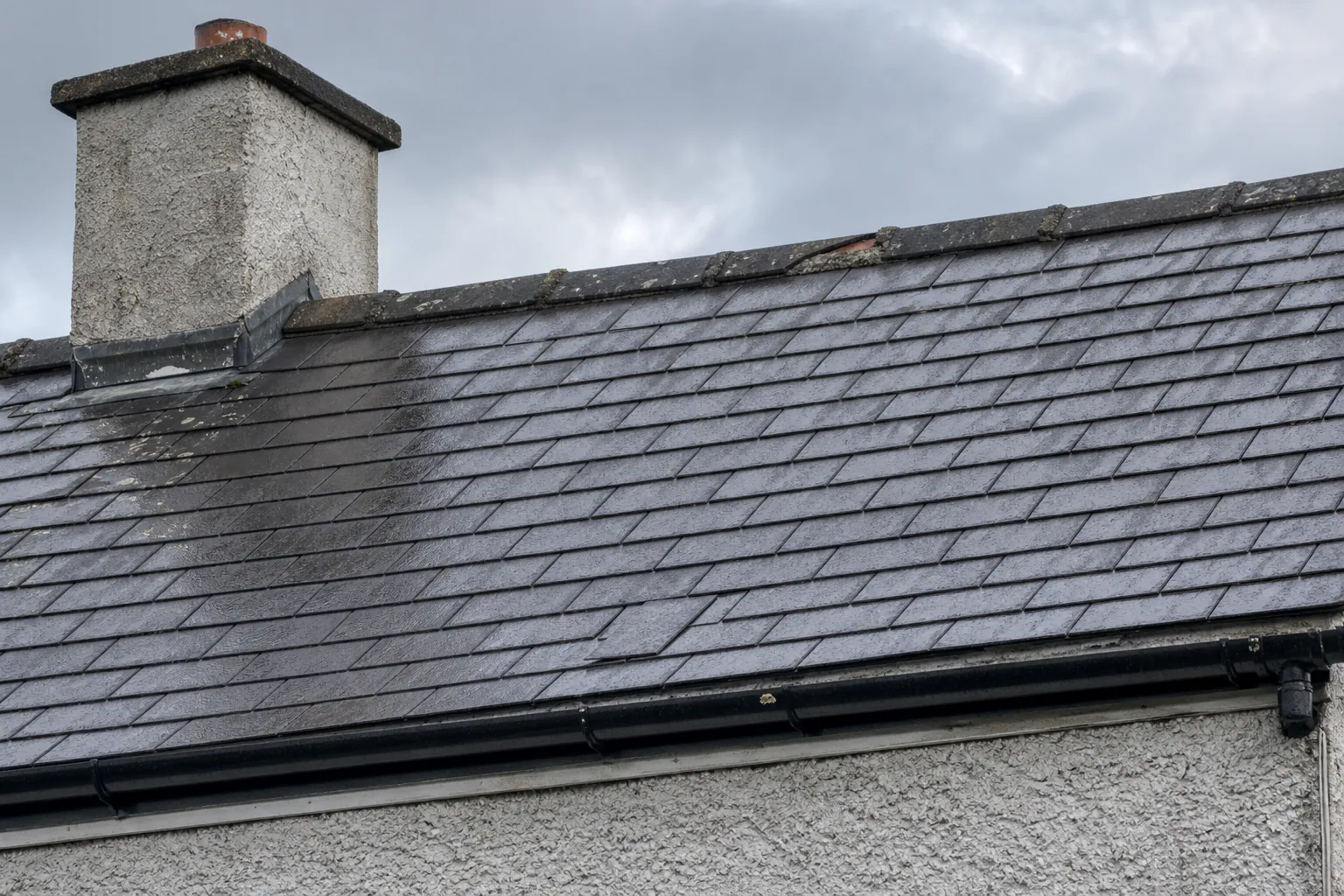
Usually, it depends on the cause. Damage from a sudden, specific event such as a storm, fallen tree or impact is generally covered by Irish home insurance. Damage from gradual wear, age or lack of maintenance is generally not. Your own policy wording is the final answer, but the table below reflects how most Irish policies draw the line.
Usually covered versus usually not
| Usually covered | Usually not covered |
|---|---|
| Storm damage (wind-lifted slates, damaged flashing) | Worn-out felt, tiles or mortar at end of life |
| Fallen tree or branch impact | Gradual leaks from long-term deterioration |
| Damage from a specific escape of water event | Blocked gutters causing overflow over months |
| Fire or lightning damage | Moss damage from years of neglect |
| Emergency work to prevent further damage after an insured event | Pre-existing damage you knew about when taking out the policy |
The maintenance clause trap
Most Irish home policies contain a condition requiring you to keep the property in good repair. Insurers use it to decline storm claims where the roof was already failing: the storm finished the job, but neglect started it. This is the single most common reason roof claims are rejected or reduced.
The practical lesson: routine maintenance is not just about the roof, it protects your insurance position. Keeping gutters clear, fixing slipped slates promptly and keeping a simple record (dates, receipts, the odd photo) puts you in a far stronger position if you ever need to claim. Our ground-level inspection guide makes the checking part easy.
How to avoid a rejected claim
- Report promptly. Most policies expect notification within days of discovering damage.
- Photograph everything before repairs, from the ground, including what came down off the roof. Our storm damage checklist has the full evidence list.
- Do not authorise permanent repairs before the insurer can inspect, unless told to proceed. Emergency make-safe work is different: most policies cover reasonable steps like professional tarping, but confirm on the first call and keep receipts.
- Get itemised written quotes. Two or three for significant work.
- Be straight about the history. If the roof was already tired, say so. A claim that unravels on a detail costs more than an honest conversation at the start.
Is it worth claiming?
If the repair cost clearly exceeds your excess plus any likely premium impact and loss of no-claims discount, claiming generally makes sense. For damage close to the excess amount, paying directly is often the cheaper long-run choice. Your insurer's claims line can discuss this without committing you to a claim.
Compare roofers: Find a roofer in your county. Directory inclusion is not a FixMyRoof endorsement.